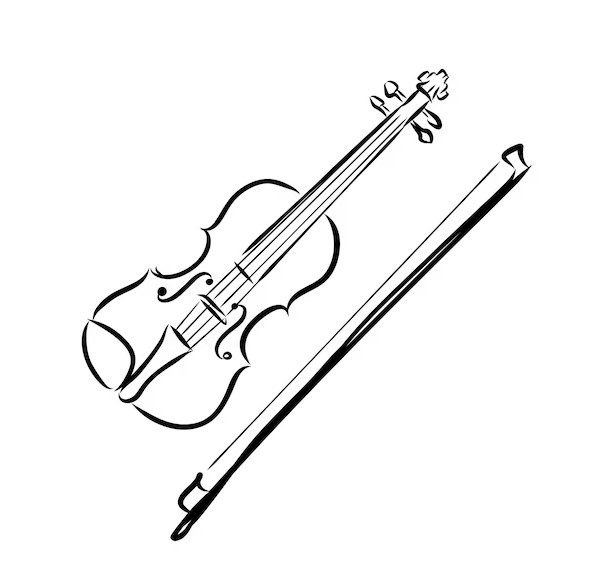

So, you have a violin and you already know how to take care of it. What do you know about everyday tool cleaning? How to protect it from rosin and sweat? This article will teach you how to properly clean your violin after use so that it always stays in top condition.
Wash your hands. After playing, rosin, sweat and dust are likely to remain on the hands, which should not accidentally fall on various parts of the violin.
Use multiple cleaning cloths. Using rags will protect the violin from rosin and other substances, and you can also remove fingerprints and other marks to keep the instrument looking pristine. You need at least two soft, clean, lint-free rags to wipe down different parts of the violin.
Store your rags in a case with your violin so they are always close at hand.
You can buy special wipes for cleaning violins, but you can get by with a piece of cloth at hand. The main thing is that the rag should be soft and not scratch the instrument.
Wipe the strings. The strings must be wiped down after each use of the violin, as rosin accumulates on them very quickly, which makes the instrument sound different. This simple action should become a permanent habit.
Using one rag, wipe off the rosin from each string individually, moving up and down in a gliding motion. Be sure to remove any rosin flakes that have collected on the strings.
If you can't just wipe off the rosin layer on the strings, then use pure alcohol to do this. Put a few drops of alcohol on a rag and wipe the strings, but be careful not to let the alcohol get on other parts of the violin and damage the varnish.
Wipe the bow. Rosin quickly accumulates not only on the strings, but also on the bow. You can use the same rag as for the strings, as you will be removing the same material from the bow.
As with the strings, simply take a tissue and rub the bow along the length of your hair. Lightly move up and down, but not across the fibers.
Wipe down the top of the violin. The top deck is on the body, and strings are stretched over it, which go to the fingerboard. At this stage, use a different rag to avoid rubbing rosin or other substance on the violin.
Be careful not to let the rag get caught on the “F” shaped resonator holes. These holes are very finely finished, damage to which can alter or degrade the sound of the violin.
Clean the stand. While playing the violin, rosin also collects on the stand. Using a rag, remove the rosin from under the stand, but do not use excessive force so as not to damage such a fragile element.
To remove rosin from hard-to-reach places, you can use cotton swabs.
Use only a special violin polish, not furniture polish or water, to avoid damaging the varnish and ruining the sound.
Never use polishes or cleaners for artisan or vintage violins, as the oils they contain can cause cracks that can make it difficult to restore the instrument.
Polishes usually contain oil, which can eventually crack the wood and damage the instrument. That is why there is an opinion that polishes should not be used to care for violins at all.
Use a polishing cloth. If you decide to use a polish, be sure to follow all the instructions on the package and polish only the body of the instrument.
Apply the polish to the cloth, not directly to the tool. Use a rag to remove any stains, dirt, and accumulated rosin. Polish the body on all sides, but be careful near the resonator holes so that polish does not accumulate in them. Then take a new rag and remove excess polish so that no harmful moisture gets inside the violin.
Avoid getting polish on the strings and bridge as it can build up on these parts and affect the sound of the instrument.
Touch the tool with your hands only in the right places. There is oil and sweat on the skin. They can corrode the lacquer and leave marks on the surface of the violin. The smaller the contact area between the violin and the skin, the longer your instrument will retain its sound and beautiful appearance.
Practice lifting and holding the violin correctly to develop the necessary habit to stop grabbing the violin by the body.
Don't forget to clean the case. It's pretty obvious that a violin can't stay clean in a dirty case, but people often forget that. Take everything out of the case and clean the inside with a vacuum cleaner every week or whenever you notice dust, dirt or rosin in it.
With this action, you will also prevent the appearance of dust mites that can feed on the bow hair.
Periodic professional tuning. If your violin starts to crack or you notice other changes, take your instrument to a music store or a good violin maker.